PowerChina
1
Project
1
Country
0
Alliances
4
ESG Flags
Infrastructure conglomerates that entered mineral space through 'Resources-for-Infrastructure' (RFI) financing model. Primary contractors for Belt and Road Initiative.
Leadership Structure
Chairman of the Board (PowerChina)

Ding Yanzhang
Chairman of the Board (PowerChina)
Senior Executives
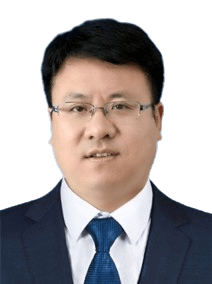
Wang Xiaojun
Vice-chairman of the Board, General Manager (PowerChina)
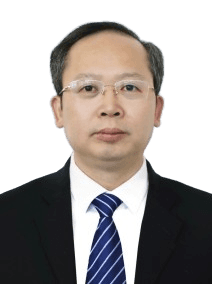
Xu Pengcheng
Deputy General Manager (PowerChina)
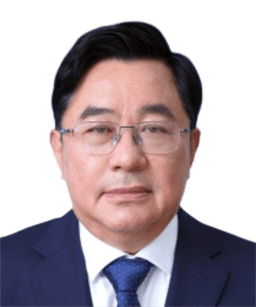
Yao Huan
Board Member
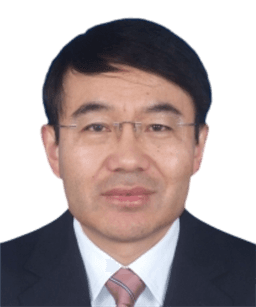
Yang Liang
Chief Accountant
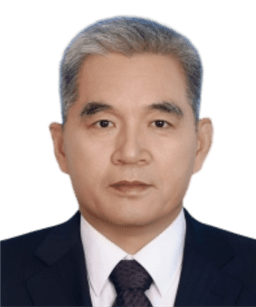
Hou Qinxue
Discipline Inspection Commission Secretary
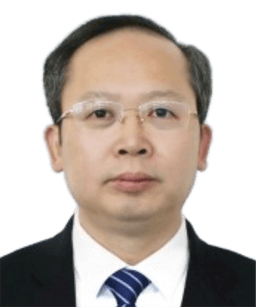
Xu Pengcheng
Deputy General Manager
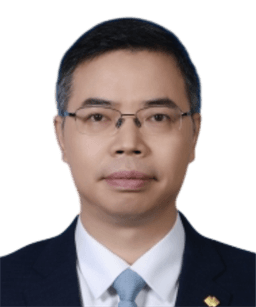
Chen Guanfu
Deputy General Manager

He Yanfeng
Deputy General Manager
Mining Operations
DRC
1 OPERATIONSicomines
Kolwezi
Resources-for-Infrastructure mega-project. Chinese consortium (68%) extracts minerals as repayment for multi-billion dollar infrastructure package (roads, hospitals, public works). $7B infrastructure commitment after 2023 renegotiation.
ESG Profile
+ 1 resolution
2023 DRC audit claimed Chinese partners gained vastly more mineral value (~multi-billion)…
In February 2023, the DRC's Inspectorate General of Finances (IGF) released an audit of the Sicomines joint venture — the 2008 "contract of the century" under which Chinese investors received a 68% stake in copper-cobalt mining in exchange for funding national infrastructure. The audit found that while the Chinese consortium had earned approximately $10 billion from the concession over 15 years, only $822 million in infrastructure had been delivered — a figure the IGF called "glaringly low." The findings, corroborated by ITIE-RDC, triggered renegotiations with Beijing. In January 2024, the DRC secured a revised deal raising the infrastructure commitment from $3 billion to $7 billion, including 7,000 km of roads.
ITIE-RDC study flags Sicomines for biased feasibility study, skewed capital distribution and undisclosed contract amendment
In December 2021, a study commissioned by ITIE-RDC (the DRC's national EITI body) found the Sicomines joint venture represented "an unprecedented harm in the history of the DRC." The report specifically criticised the original feasibility study as biased and used to justify an undervaluation of copper reserves; the capital distribution structure (32% Congolese government vs 68% Chinese consortium); and a 2017 contract amendment — disclosed only after its legal deadline — that redirected profits to shareholders before infrastructure commitments were fulfilled. The findings directly fuelled the 2023 IGF audit and subsequent renegotiations with Beijing.
Critics cite inadequate EIAs and absent community consultation in Sicomines political deal structure
The 2008 Sicomines "contract of the century" was structured primarily as a state-to-state political agreement under President Kabila, with critics arguing this compromised the rigour of environmental and social safeguards. A December 2021 study by ITIE-RDC (DRC's national EITI body) characterised the original feasibility study as biased and used to justify undervaluation of copper reserves. Field investigations by AFREWATCH (2021–2022) documented that communities in Yenge and Kapanga villages — the areas closest to Sicomines operations — were neither consulted nor informed of environmental impacts, as required under DRC mining regulations. While formal EIA documents were approved by the Ministry of Mines, both independent researchers and civil society argue that the political deal structure meant standard due diligence requirements were effectively subordinated to geopolitical objectives.
Sicomines renegotiation raises Chinese infrastructure commitment from $3B to $7B
Following the February 2023 IGF audit — which found only $822 million in infrastructure had been delivered against approximately $10 billion in mineral value extracted — the DRC government entered renegotiations with the Chinese Sicomines consortium. President Tshisekedi visited Beijing in May 2023 to advance talks. In January 2024, the DRC announced the revised deal: the Chinese consortium's infrastructure commitment was increased from the original $3 billion to $7 billion, including construction of 7,000 km of roads across the country. ITIE-RDC credited EITI transparency processes with helping secure approximately $4 billion in additional commitments. The renegotiation is widely seen as a landmark correction to one of the most imbalanced resource-for-infrastructure deals in African mining history.