01
Global Mining Majors
Seeking long-life assets tied to future-facing minerals
Asian Mining Giants in Africa
Who are the actors and stakeholders of China's engagement in critical minerals in Africa?
0
Companies
0
Projects
0
Countries
For over a century, energy systems were built around burning fuel, giving rise to the mechanical systems that defined the modern world.
From steam engines to combustion, turbines, and electric motors, power has steadily advanced.
Today, the global energy landscape is in transition—moving from fossil fuels to renewable energy systems. But this shift depends on something essential: minerals.
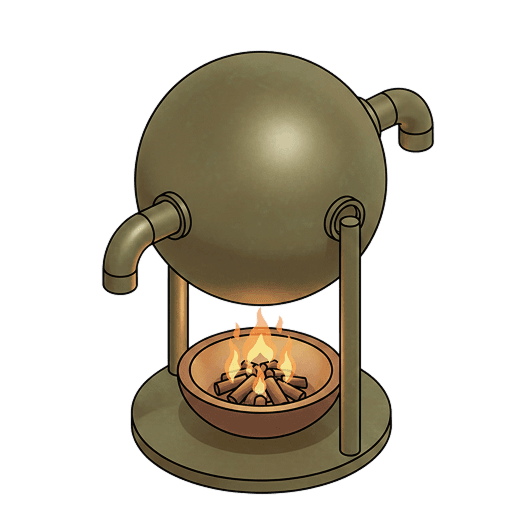
Hero's Aeolipile
Ancient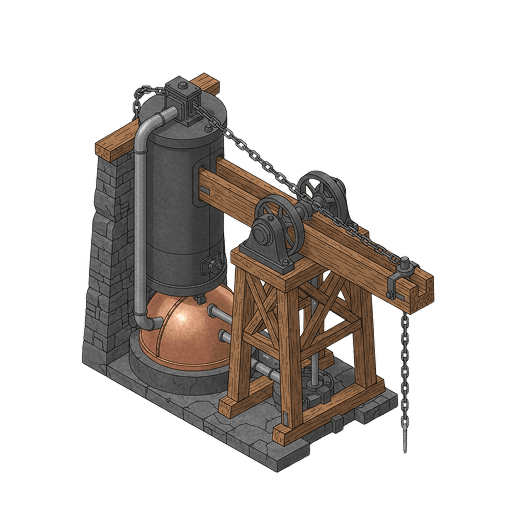
Newcomen Steam Engine
Industrial Revolution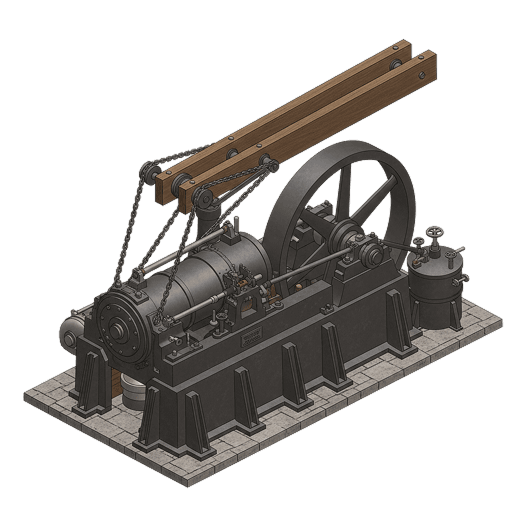
Watt Steam Engine
Industrial Revolution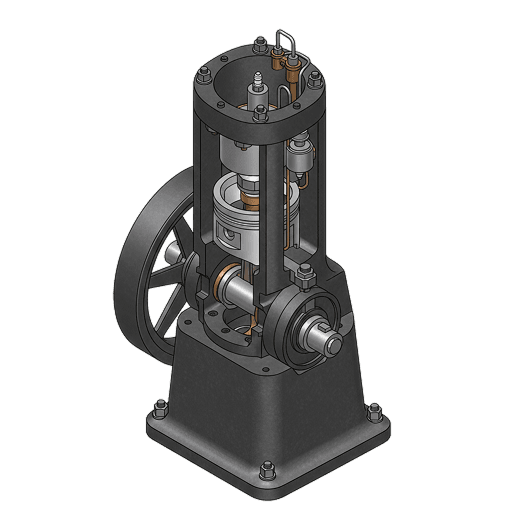
Otto Four-Stroke Engine
Combustion Age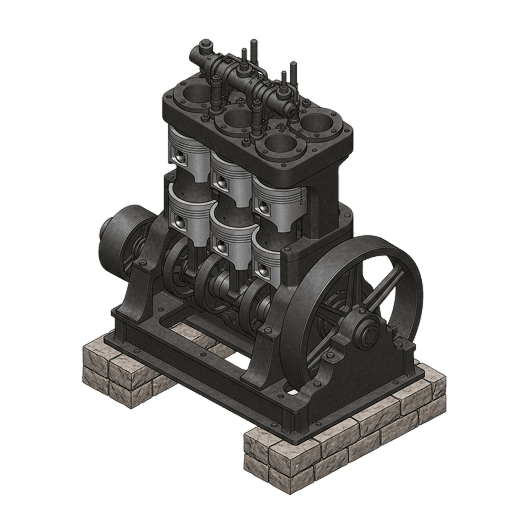
Diesel Engine
Combustion Age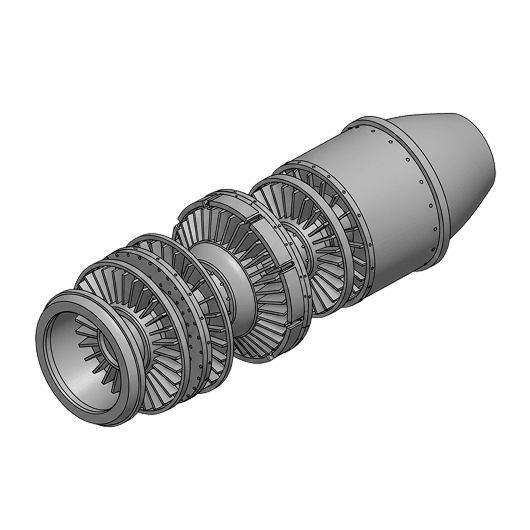
Gas Turbine Jet Engine
Modern Power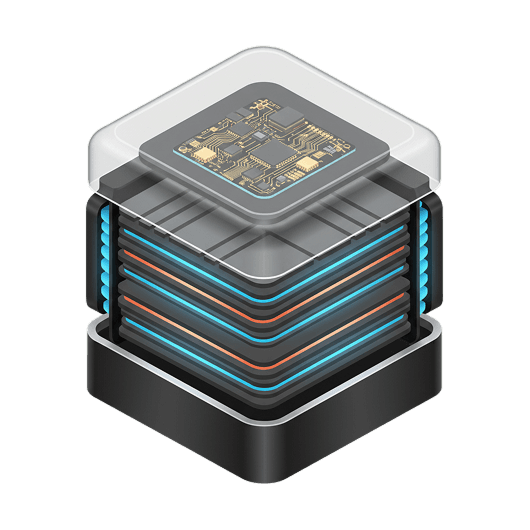
Lithium-Ion Battery
Electric Future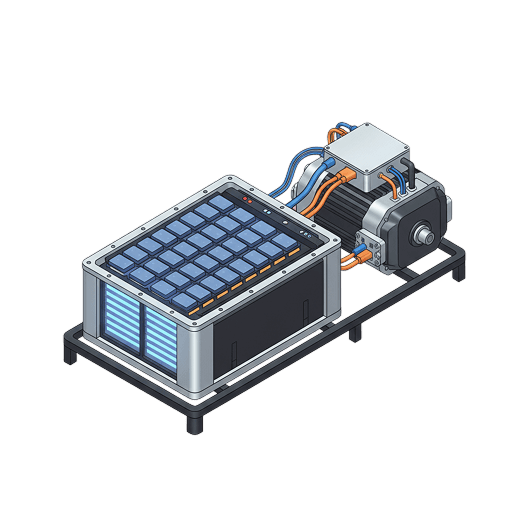
Hybrid Electric Powertrain
Electric FutureBuilding this new energy system depends on vast quantities of transition minerals.
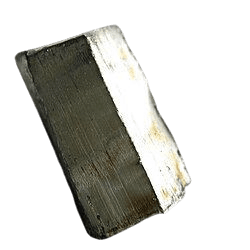
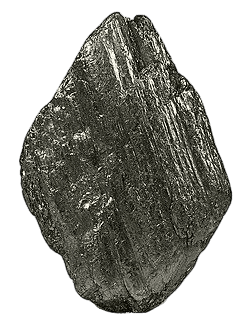
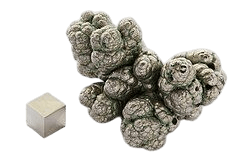
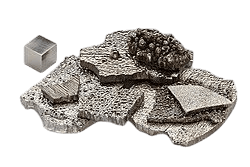
Powers the battery revolution
The lightest metal on earth, lithium is the cornerstone of rechargeable battery technology. Found primarily in brine deposits and hard rock mines, lithium is the main ingredient in lithium-ion batteries, which store the electricity that makes EVs and renewable grids possible.
The backbone of battery anodes
This crystalline form of carbon is used as the anode in lithium-ion batteries. While synthetic alternatives exist, rising costs are making natural flake graphite increasingly critical.
Unlocks longer range
High-purity nickel increases the energy density of EV batteries, directly translating to longer driving ranges. Class 1 nickel suitable for batteries is increasingly scarce and valuable.
Prevents thermal runaway
This blue mineral stabilizes battery cathodes, preventing the dangerous overheating that can cause fires. Over 70% of global supply comes from the Democratic Republic of Congo.
Boosts battery lifespan
Manganese improves the structural stability of battery cathodes, extending cycle life and reducing degradation. It's abundant, but processing capacity is heavily concentrated in China, which holds approximately 90% of global refining capacity for battery-grade manganese.
Conducts the current
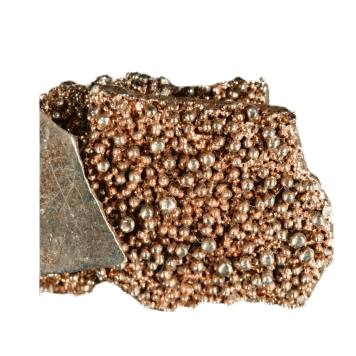
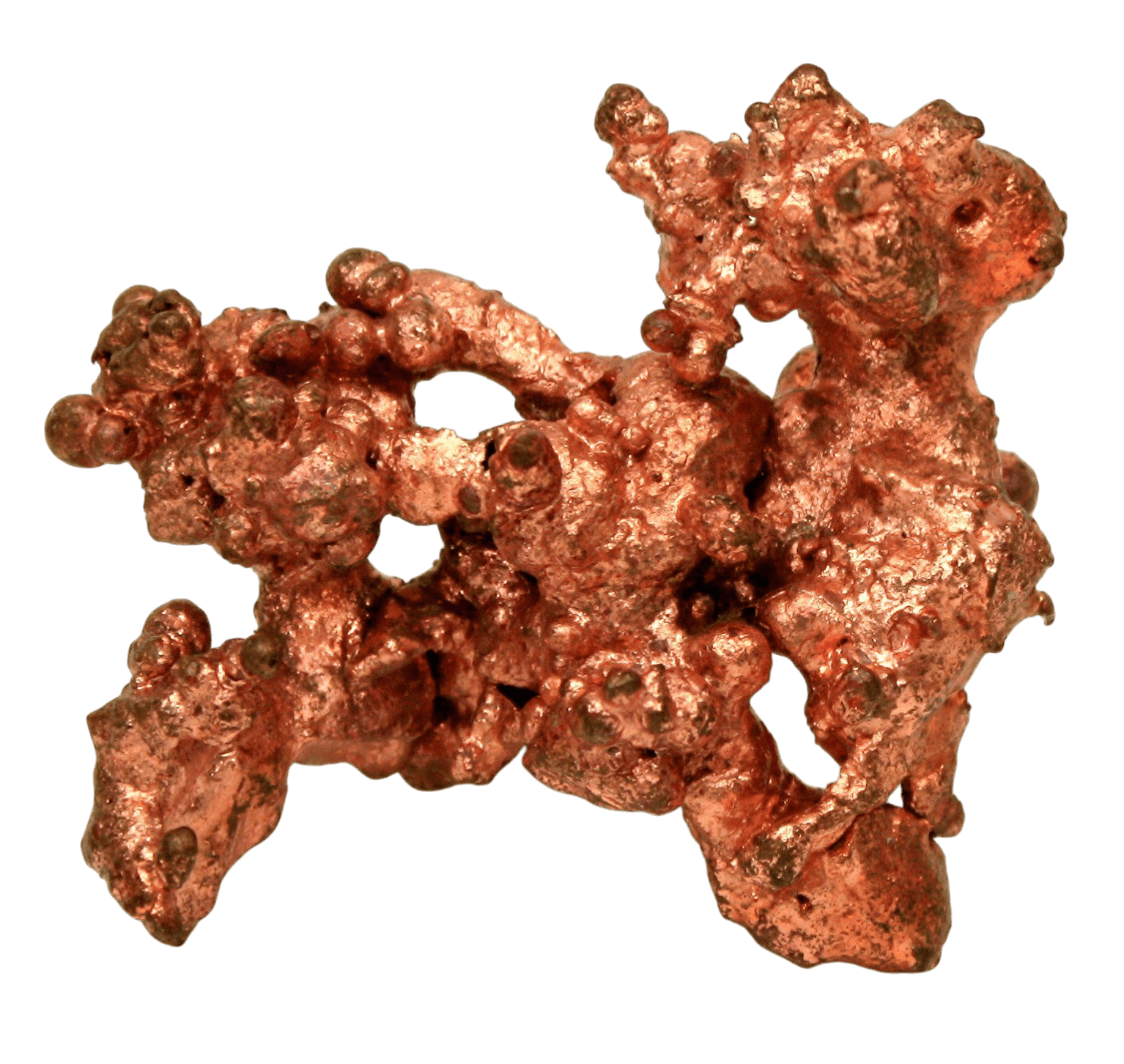
Copper is the world's most efficient electrical conductor after silver. Every EV uses 3-4x more copper than conventional vehicles. It's essential for wiring, motors, and charging infrastructure.
Drive EV motors
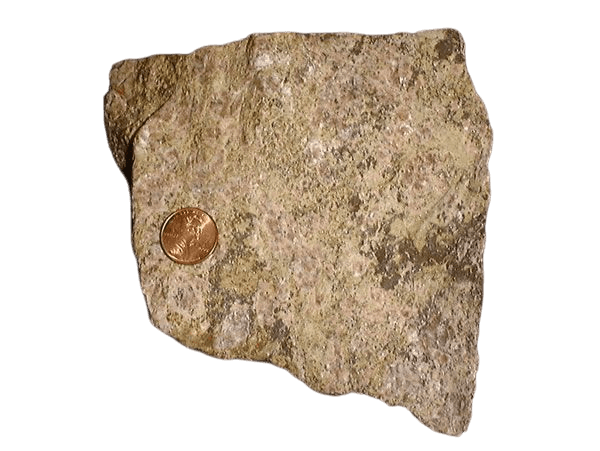
Different from transition minerals, rare earth elements like neodymium, praseodymium, and dysprosium create the powerful permanent magnets in EV motors and wind turbines. China controls over 60% of mining and 90% of processing.
Control over these minerals determines who leads and shapes the energy transition.
But where do these critical minerals exist?
Across the world, countries such as the Democratic Republic of Congo, Australia, Chile, and South Africa hold significant reserves of these minerals.
Chile alone controls one-third of the world's known lithium and one-fifth of global copper.
Australia has emerged as a dominant supplier of hard-rock lithium, with significant copper and cobalt.
But a large portion of the world's critical mineral reserves lies in Africa.
The continent holds over half of the world's cobalt, nearly 40% of global manganese, and vast graphite deposits stretching from Mozambique to Madagascar.
However, geological abundance does not equal production.
Turning these deposits into usable supply requires billions in capital, technical expertise, and decades of development.
Africa's mineral wealth sits at the center of the global energy transition — but unlocking it requires billions of dollars in long-term mining and infrastructure investment
This gap between geological abundance and industrial capacity has drawn a wide range of international actors into Africa's mining sector.
Seeking long-life assets tied to future-facing minerals
Securing long-term supply for batteries, grids, and manufacturing
Linking mineral access to infrastructure, financing, and diplomacy
Expanding across borders to capture greater value
Yet not all actors engage at the same speed, scale, or level of coordination.
Over the past two decades, China has emerged as one of the most active external actors in Africa's mining sector, building its presence through a mix of commercial and state-backed engagement.
Key mechanisms that have anchored China's role include:
Single mining licenses lock in mineral access across multiple mine phases for decades, securing supply far into the future.
Joint ventures share ownership with local firms but retain operational control through technical expertise, financing, and management capacity.
State-to-state agreements exchange mining rights for infrastructure finance—roads, railways, and power plants built by Chinese contractors.
These mechanisms come to life through strategic partnerships with African governments and local firms.
Across the value chain, Chinese companies are active across Africa's mineral-rich belt.
The Ecosystem — Deep Dive
29 entities shape China's mineral dominance in Africa—from central state-owned enterprises (SOEs) with direct state mandates to nimble hybrid players. Click any company to explore its government connections, state support, and leadership.
Companies owned by the central government and directly supervised by the Central SASAC.
Guinea
Central SOEs
Chalco
Aluminum Corporation of China Limited(hereinafter referred to as Chalco), a holding subsidiary of Aluminum Corporation of China, is the world’s largest producer and supplier of alumina, aluminum, fine alumina, high purity aluminum and aluminum anodes.
Guinea
Central SOEs
China Baowu
China Baowu Steel Group Corporation Limited (hereinafter referred to as “China Baowu” or “Baowu”), headquartered in Shanghai, is an important backbone state-owned enterprise (SOE) directly administered by the central government , and the largest and most influential steel conglomerate in the world.
Namibia
Central SOEs
CGN
CGN, formerly China Guangdong Nuclear Power Group, headquartered in Shenzhen, Guangdong Province, is a central enterprise controlled by the State-owned Assets Supervision and Administration Commission of the State Council. CGN is a central enterprise that has gradually grown and expanded with China's reform and opening up and the development of nuclear power.
Botswana · DRC
Central SOEs
Minmetals
Fortune Global 500 central SOE operating internationally through Hong Kong-listed MMG Limited, headquartered in Melbourne. Projects 'Western' corporate face while retaining state control.
Namibia
Central SOEs
CNUC
China Uranium Industry Co., Ltd. is a national team and main force in China's natural uranium supply, an important part of China's nuclear industry system and an important participant, builder and promoter of the development of the international natural uranium industry.
Zambia · DRC
Central SOEs
CNMC
China's pioneer in African mining, established deep-rooted presence in the Copperbelt that serves as template for Chinese engagement.
DRC
Central SOEs
CREC
Central Chinese engineering SOE involved in major global infrastructure projects and a shareholder in the Sicomines copper–cobalt venture in the DRC.
Burundi
Central SOEs
China RE
Formed in December 2021 through merger of rare earth assets from Minmetals, Chinalco, and Ganzhou RE Group. State-controlled behemoth controlling global rare earth pricing and processing.
Guinea
Central SOEs
Chinalco
Aluminum Corporation of China is an important state-owned backbone enterprise managed by the central government and a pilot enterprise of state-owned capital investment companies, undertaking the important mission of building a leader in the global non-ferrous metals industry, a main force in the guarantee of national strategic mineral resources and advanced materials, and a leader in industry innovation and green development.
Botswana · DRC
Central SOEs
MMG
Fortune Global 500 central SOE operating internationally through Hong Kong-listed MMG Limited, headquartered in Melbourne. Projects 'Western' corporate face while retaining state control.
DRC
Central SOEs
PowerChina
Infrastructure conglomerates that entered mineral space through 'Resources-for-Infrastructure' (RFI) financing model. Primary contractors for Belt and Road Initiative.
Firms that combine state ownership with private or public shareholders.
Ghana
Hybrid / Mixed
Bosai
With more than ten large-scale manufacturing enterprises and companies in Chongqing, Sichuan, Guizhou as well as Germany, Guyana in South America and other places, it is one of the earliest and most successful enterprises in Chongqing and even China to "go out".
DRC
Hybrid / Mixed
CMOC
World's largest cobalt producer, overtaking Glencore. Modern 'Hybrid' giant operating with commercial aggression rivaling Western majors. Mixed ownership enterprise with state-linked and private investors.
Morocco
Hybrid / Mixed
CNGR
We prioritize technological innovation as our primary driving force, focusing on battery materials such as nickel, cobalt, phosphorus, sodium, manganese, lithium, and cutting-edge technologies.
Mozambique
Hybrid / Mixed
DH Mining
Mali
Hybrid / Mixed
Ganfeng Lithium
Ganfeng Lithium Group's business runs through the whole industry chain of resource mining, refining and processing, battery manufacturing and recycling, and its products are widely used in electric vehicles, energy storage, 3C products, chemicals and pharmaceuticals.
Mali
Hybrid / Mixed
Hainan Mining
Hainan Mining has gradually expanded its business portfolio from iron ore to include oil, natural gas, and new energy industries, consistently enhancing its business performance and social impact.
Zambia
Hybrid / Mixed
JCHX
Jinchengxin Mining Management Co., Ltd. is an international mining company integrating mine engineering construction and mining operation management, resource development, mine design and technology research and development, mining machinery and equipment manufacturing, and trade.
Zimbabwe
Hybrid / Mixed
Shengxin Lithium Energy
Shengxin Lithium Energy Group Co., Ltd. has built 137,000 tons of lithium salt production capacity and 500 tons of lithium metal production capacity in Deyang, Sichuan and Suining, Indonesia, of which Indonesia's annual output of 60,000 tons of lithium salt production base is the largest ore lithium extraction project built overseas, and the company's lithium salt production capacity ranks among the top in the world.
Zimbabwe
Hybrid / Mixed
Yahua Industrial Group
Yahua Lithium is a major global supplier of lithium salt products, and its main business includes lithium mining and lithium salt processing. The lithium salt production capacity is now 130,000 tons, and the planned overseas production capacity is 60,000 tons.
Zimbabwe · Namibia
Hybrid / Mixed
Sinomine
Transformed from geological service provider into significant owner-operator of critical mineral assets. Aggressively pursuing vertical integration within Africa.
Guinea
Hybrid / Mixed
Winning International Group
Winning International Group is a diversified multinational enterprise with shipping at its core, deeply engaged in the development of Guinea’s mineral resources and the construction of full-value-chain infrastructure. The Group provides integrated mineral logistics and sustainable development solutions to clients worldwide.
Zimbabwe
Hybrid / Mixed
Huayou Cobalt
Zhejiang, one of China's top 500 enterprises, is a high-tech enterprise engaged in the research and development and manufacturing of new energy lithium battery materials. After more than 20 years of development, the company has built a business pattern of overseas resources, international manufacturing and global markets; It has created five major business sectors:
DRC
Hybrid / Mixed
Zijin
Most dynamic Chinese miner known for 'Zijin Speed' in project execution. Willingness to partner with Western exploration firms. Founded by geologist Chen Jinghe.
Companies owned by provincial governments and supervised by Provincial SASACs.
Gabon
Provincial SOEs
Huazhou
Operational vehicle for manganese extraction in Gabon. 49% owned by Ningbo Huazhou Mining, 51% by South Manganese (CITIC Dameng). Operates through CICMHZ subsidiary.
Zambia · DRC · South Africa
Provincial SOEs
Jinchuan
Provincial SOE based in Gansu Province, China's 'Nickel Giant'. Powerhouse in nickel and cobalt production with roots in technical metallurgy.
Mozambique
Provincial SOEs
Shandong Yulong
Traditional gold miner diversifying into 'new energy minerals' like graphite. Represents new trend of gold capital entering transitional minerals.
Entities directly supervised by the Ministry of Finance, not SASAC.
DRC
Special Strategic Vehicles
CITIC
Resource investment arm of massive CITIC Group conglomerate. Acts as strategic investor and financier rather than direct operator. Largest single shareholder in Ivanhoe Mines (~29%).
DRC
Special Strategic Vehicles
South Manganese
Resource investment arm of massive CITIC Group conglomerate. Acts as strategic investor and financier rather than direct operator. Largest single shareholder in Ivanhoe Mines (~29%).
The Power Structure
Behind every mining operation lies a network stretching back to Beijing. Understanding who answers to whom — and who provides the capital — reveals much about how these enterprises operate in Africa.
Financing architecture
hover to highlightHover any node to trace authority and capital. Click an operator to pin its state-support details.
The Tensions
The story of Chinese mining in Africa includes difficult chapters — labor disputes, environmental concerns, and governance challenges. Some companies are reforming. Others continue to face persistent challenges.
Signs of Progress
First major Chinese company to commit to IRMA (Initiative for Responsible Mining Assurance) audit
CMOC Group
Increased investments in safety training after 2005 disaster
CNMC·source ↗
Joined UN Global Compact LEAD program
China Minmetals/MMG·source ↗
Pledged improved waste management
Jinchuan Group·source ↗
Constructed pre-treatment plant to mitigate future spills
Sinomine Resource Group
Company rebuttals citing adherence to DRC laws
Zijin Mining·source ↗
From resource extraction to value addition, this select group of Chinese companies has played an outsized role in Africa's critical minerals landscape. This is where global supply chains begin—where the energy transition takes root, where local and global interests converge, and where the balance of economic power is shaped.
29
Companies
38
Projects
5
Countries
11
Minerals
Want to know more? Take a closer look at each company.