Jinchuan Group
4
Projects
3
Countries
4
Alliances
3
ESG Flags
Provincial SOE based in Gansu Province, China's 'Nickel Giant'. Powerhouse in nickel and cobalt production with roots in technical metallurgy.
Leadership Structure
Party Secretary and Chairman (2022)
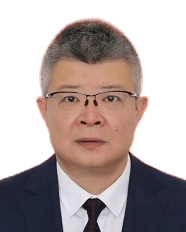
Ruan Ying
Party Secretary and Chairman (2022)
Senior Executives
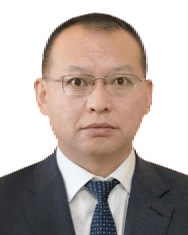
Cheng Dongquan
General Manager & Deputy Party Secretary of the CPC Jinchuan Group Committee
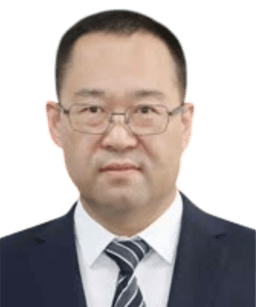
Wang Yujun
Deputy secretary of the CPC Jinchuan Group Committee, and trade union chairman
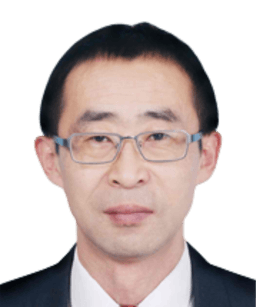
Sun Long
Secretary of the CPC Jinchuan Group Commission for Discipline Inspection
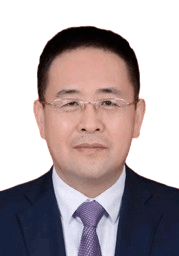
Sun Zhizhong
Deputy General Manager
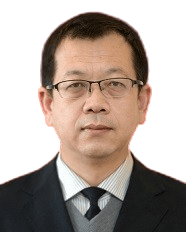
Li Zhen
Deputy General Manager, CPC Standing Committee
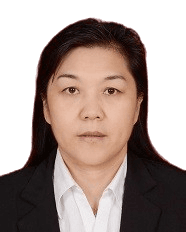
Cai Juan
Director of Finance Department
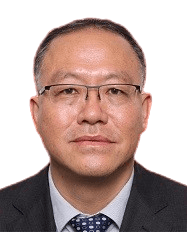
Cheng Yonghong
Director of overseas business
Mining Operations
DRC
2 OPERATIONSKinsenda Mine
Katanga
High-grade underground copper mine, one of highest-grade copper deposits in Africa. Research on in-situ leaching to extract remaining high-grade copper.
Ruashi Mine
Katanga/Lubumbashi
Open-pit mine with SX-EW processing producing cobalt hydroxide and copper cathodes. Output over 17,000 tonnes cobalt/year. Acquired via Metorex (2011).
Zambia
1 OPERATIONChibuluma South Mine
Copperbelt
Underground copper mine (85% Metorex, 15% ZCCM-IH). One of Zambia's most efficient operations.
South Africa
1 OPERATIONWesizwe Platinum (Bakubung)
North West Province
Rescued with $650M loan from China Development Bank. ~45% controlling stake via China-Africa Jinchuan Investment. Critical for securing PGMs for China.
ESG Profile
Congolese NGOs filed complaint against Ruashi Mining for environmental violations.
Ruashi Mining, a subsidiary of Chinese multinational Jinchuan Group, has operated a copper and cobalt mine in Ruashi, Lubumbashi since 2004. Studies conducted by NGOs PremiCongo, AFREWATCH, and ACIDH documented severe pollution of the Ruashi and Luano rivers, which serve as primary water sources for communities in Luano, Kalukuluku, and Kawama. Water and sediment tests confirmed acidic conditions and heavy metal contamination. Reported health impacts include widespread skin conditions and children's health issues attributed to water quality and mine dust — a local teacher estimated 60% of children in the area were affected. Fish populations have collapsed due to chemical pollution. On 4 November 2022, the three NGOs formally filed a complaint against Ruashi Mining with China's Chamber of Commerce of Metals, Minerals and Chemicals (CCCMC), citing violations of the DRC Mining Code and CCCMC responsible sourcing guidelines. Ruashi Mining declined to respond to pollution allegations and has refused to disclose its Environmental Impact Assessment or Environmental Management Plan. A subsequent report by Mind the Gap detailed strategies used by the company to avoid accountability.
Fish deaths and soil degradation near Ruashi Mining site; company accused of 'never being environmentally friendly'
Environmental damage around Ruashi Mining's copper and cobalt operations in Lubumbashi has been documented across water, soil, and air. Fishing has completely ceased in the Ruashi River due to fish deaths caused by chemical pollution from mine effluent. Agricultural soil in surrounding areas has become progressively infertile, with crops regularly destroyed by tailings pond overflow, making farming impossible in affected zones. Residents report congenital diseases and structural damage to homes from mine explosions. Scientific studies confirm elevated heavy metal contamination in soil, water, and food crops. Ruashi Mining's 2006 and 2018 Environmental Revisions were found to be only partially compliant with ESIA guidelines. Christian Bwenda, Director of environmental NGO PremiCongo, stated publicly that "Ruashi Mining has never been environmentally friendly." The company has also refused to disclose its Environmental Impact Assessment or Environmental Management Plan to affected communities or civil society.
Jinchuan Group faces pressure to audit cobalt supply chain for artisanal sourcing amid transparency gaps
As one of the world's largest cobalt miners and refiners — controlling, alongside peers, over 60% of global cobalt output — Jinchuan Group faces growing scrutiny over the traceability of artisanal cobalt entering its refining supply chain. Artisanal and small-scale mining (ASM) accounts for an estimated 15–25% of DRC cobalt production, with documented risks of child labor and unsafe conditions. A 2022 World Benchmarking Alliance Nature Benchmark ranked Jinchuan 76 out of 97 among global metals and mining peers for transparency, noting "clear potential for increased performance." Industry-wide assessments found that 42 out of the cobalt refiners assessed showed significant gaps in due diligence on child labor, with only 6 acknowledging related policies. Downstream users — including major EV battery manufacturers and consumer electronics companies such as Apple, Samsung, and Panasonic — have increasingly demanded supply chain audits and OECD-aligned due diligence from refiners, including compliance with the Responsible Minerals Initiative (RMI)/Responsible Cobalt Initiative (RCI) Cobalt Refiner Due Diligence Standard. Jinchuan's DRC operations through Ruashi Mining sit in the same artisanal cobalt ecosystem, heightening this exposure.
Strategic Alliances
China Development Bank (CDB)
Foundational partnership - CDB is both lender and shareholder. Provides $650M for Wesizwe Platinum. Aligns Jinchuan's expansion with national financial policy.
Policy Bank & ShareholderGécamines (DRC)
Ruashi Mining JV (75% Metorex, 25% Gécamines). Kinsenda mine ~20% Gécamines stake.
Local State MinerBEE Partners (South Africa)
Works with Black Economic Empowerment consortia to comply with Mining Charter, though retains management control.
Local EmpowermentChina-Africa Development Fund (CADFund)
2025 MoU to co-finance new mining projects in Africa.
State Investment Fund